|
I'm not a specialist in designing Home Electric Systems, I have only designed industrial cabinets, not the entire electric network. My interest in this area is stricty personal for use in my home or in other automation systems. There are many houses in my country built in 1960s and the electrical wiring used at that time is no longer compliant with actual standards.
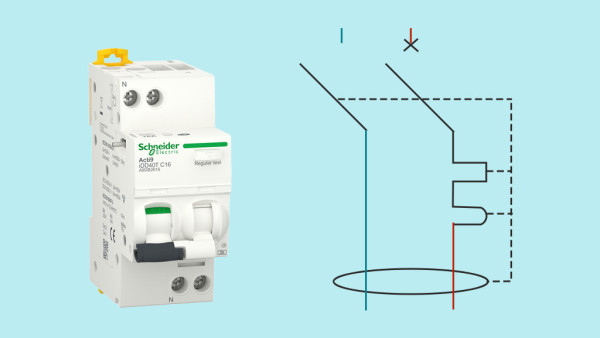
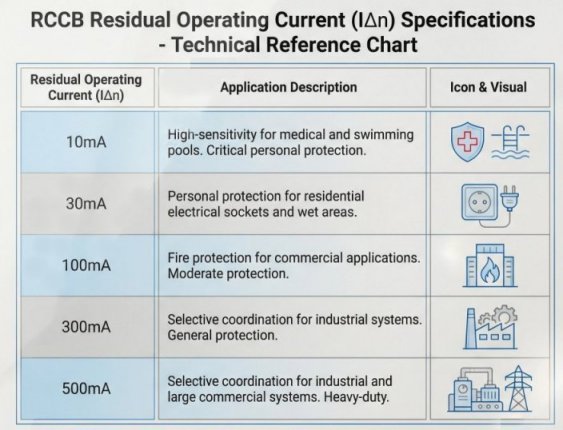
In Europe, there are requirements to have 10mA / 30mA residual current protection called "earth leakage protection" on all final circuits rated 16A / 32A. The purpose of this is to protect against electric shock, should a person get in contact with a live wire while at the same time having contact with ground. In that situation, a tiny amount of current does not return back to the power source but rather leaks to ground through the person in contact, putting his life in danger.
Earth fault protection is intended to protect equipment when an insulation fault occurs, earth leakage protection is intended to protect human beings and animals. Faulty currents are generally much lower in leakage protection.
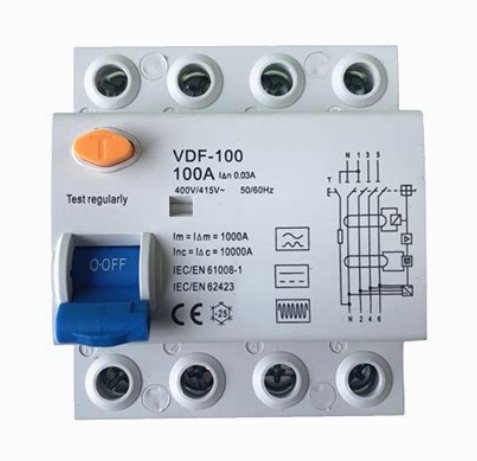
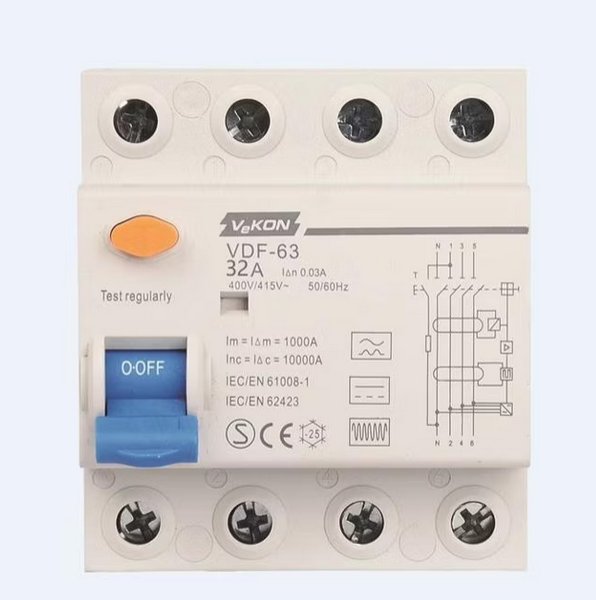
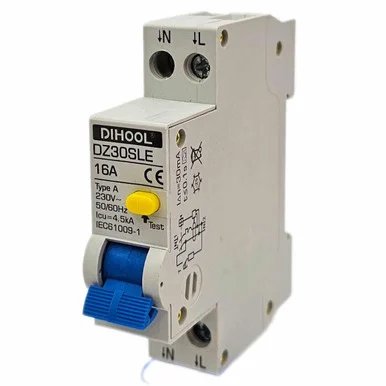
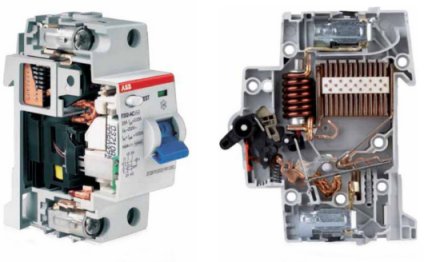
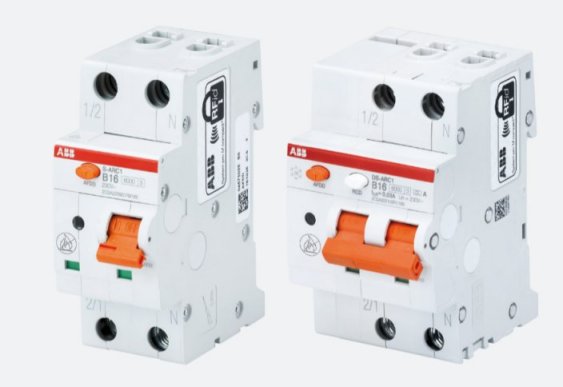
Terminology: RCB means Residual Current Breaker. RCBO stands for Residual Current Breaker with Over-Current. MCB means Miniature Circuit Breaker. MCCB means Molded Case Circuit Breaker and is an electrical protection device designed for high-current electrical circuits over 100A. RCCB stands for Residual Current Circuit Breaker. MCB protects wires and appliance, RCCB provides only leakage protection to protect human life, RCBO protects both. IEC 61008-1 compliant 30mA Residual Current Circuit Breakers (RCCBs) are mandatory for personal protection, tripping within to prevent fatal electric shocks in homes, bathrooms, and socket circuits. These devices detect leakage current and must be used for additional safety, protecting people from direct and indirect contact with live parts.
Type A RCCBs detect both alternating current (AC) leakage and pulsating direct current (DC) leakage. Applications: Ideal for modern electrical devices with rectifiers, inverters, variable frequency drives. Commonly used in: Solar photovoltaic systems, Wind turbines, Electric vehicle charging stations, LED lighting and electronic appliances.
Type AC RCCBs detect only pure AC leakage. They are ineffective against DC components. Applications: Best suited for traditional electrical systems without electronic components, such as: Household circuits, Power tools, Basic electrical loads.
Type B RCCBs detect alternating (AC), pulsating DC, and smooth DC leakage currents. They are "universal" devices crucial for modern electronics, protecting against shocks and fire in systems using inverters, EV chargers and Solar Power Systems.
Type F RCCBs are designed for circuits with single-phase variable speed drives, covering composite frequency residual currents.
|